
By Todd Malloy, MA, LMFT, CST, CSE
We are living in a time when societal expectations, cultural norms, and relationship structures are constantly evolving. What is considered “right” or “wrong” in relationships often shifts with the changing social narrative. Which raises an important question: who determines the blueprint for how we should live and love?
For generations, many of us have adopted traditional relationship models without ever questioning whether those models genuinely align with who we are — as individuals or as couples. The familiar image of marriage portrayed by June and Ward Cleaver on Leave It to Beaver has long been held up as the ideal. But that model was developed in a specific historical and cultural moment, one that did not account for the diverse experiences, values, identities, and realities that define relationships today.
No one asked for your input when those templates were created.
Traditional relationship models rarely consider the complexities that shape us: our cultural backgrounds, socioeconomic experiences, family-of-origin influences, personal values, life experiences, sexual identities, emotional needs, and individual aspirations. We are not a homogeneous society. We are beautifully diverse individuals, each bringing unique perspectives, strengths, challenges, desires, and experiences into our relationships.
Our relationships should reflect that same uniqueness.
Moving From Inherited Relationships to Intentional Relationships
At the heart of Toddism is the belief that awareness creates choice, and choice creates transformation.
If each of us has been uniquely shaped by life’s experiences, why would we expect one standardized relationship model to fit everyone? Instead of conforming to outdated expectations, couples must begin making intentional choices based on what best supports the health, growth, and well-being of their relationship.
That requires asking important questions:
- What works for us?
- What values do we want our relationship to embody?
- How do we define partnership, intimacy, support, and connection?
- What environment allows both of us to thrive?
Many traditional assumptions — rigid gender roles, expectations around financial responsibilities, communication patterns, and definitions of intimacy — deserve thoughtful examination rather than automatic acceptance. Challenging these norms does not diminish the value of commitment; it strengthens commitment by ensuring the relationship being built is authentic to the people within it.
Anything less risks settling for mediocrity rather than creating a relationship that allows both partners to become their greatest selves.
Intimacy Requires Intention
This same intentionality must extend into our intimate lives.
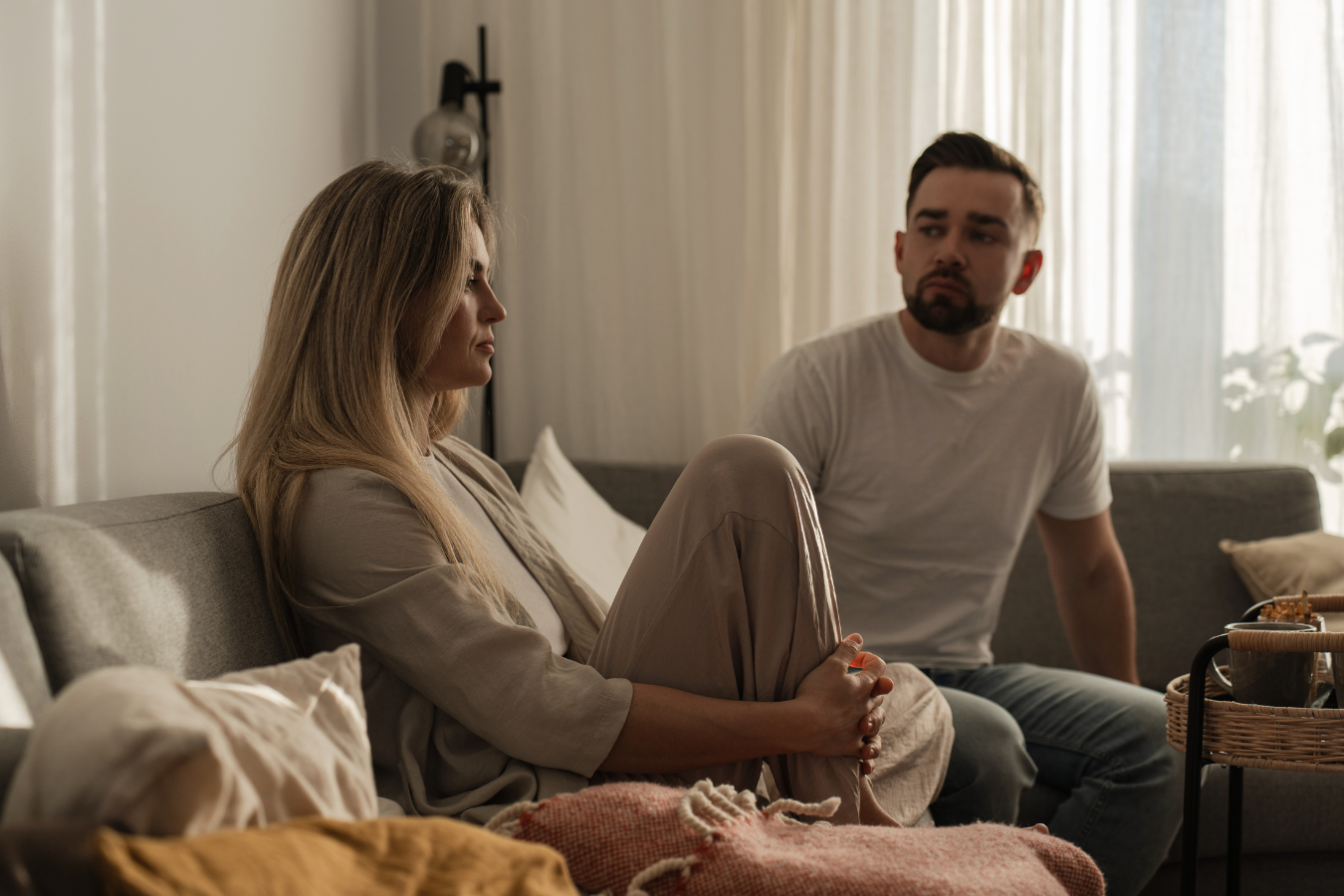
As a Certified Sex Therapist, I often work with couples who have been together for decades yet feel emotionally and physically disconnected. They describe relationships that have become focused on functionality rather than connection. Daily responsibilities take priority, while intimacy becomes routine, infrequent, or absent altogether.
Many couples find themselves simply going through the motions — hoping things will eventually improve without ever addressing the underlying issues.
In my practice, I routinely ask couples questions such as:
- How satisfied are you with your intimate relationship?
- Are you having the amount of sexual connection you desire?
- How well do you understand your partner’s sexual needs and desires?
- Do you know how your partner experiences pleasure and connection?
Far too often, the response is some version of, “My partner has no idea.”
Many couples — particularly those in heterosexual relationships — struggle to have open and honest conversations about sex, intimacy, and sexuality. Instead, they unconsciously adopt the belief that because both individuals have previous relationship experience, they should naturally know how to navigate intimacy together.
Unfortunately, that mindset often sounds like: “We both have history. We both have experiences. Let’s put them together and hope for the best.”
Hope is not a strategy.
When we rely solely on past experiences as our guide, we fail to truly understand the person standing in front of us today. Our current partner deserves more than being measured against old experiences or outdated assumptions. Using yesterday’s mindset to navigate today’s relationship often leads to disconnection, frustration, and unmet needs.
Understanding the Models We Bring Into Relationships
Each of us enters relationships carrying conscious and unconscious beliefs about how relationships “should” work. These beliefs are shaped by family dynamics, cultural expectations, religious teachings, previous relationships, and life experiences.
The challenge is that these internal relationship models were developed before we ever met our current partner.
As children, many of us vow that we will never repeat the patterns we witnessed growing up. Yet without intentional self-awareness, we often recreate the very dynamics we hoped to avoid. Without conscious effort, we risk living out old paradigms in new relationships.
Toddism teaches that intentional living requires intentional examination. If we desire something different, we must be willing to think differently, communicate differently, and choose differently.
Examining What You Truly Desire
Ask yourself: why do I want what I say I want?
Have you ever achieved something you thought would bring fulfillment, only to discover it wasn’t enough? Have you pursued relationship goals because they genuinely reflected your values — or because they were inherited expectations from family, culture, religion, or society?
Are your desires truly your own? Or are they echoes of voices from your past?
Even sacred texts emphasize the creation of a new relational unit built on intentional partnership. In Mark 10:7-8, the Bible states: “For this reason a man shall leave his father and mother and be joined to his wife, and the two shall become one flesh.” Similarly, the Quran teaches in 4:1: “O people, be conscious of your Lord, who created you from a single soul and created from it its mate and dispersed from both of them many men and women.”
At their core, these teachings remind us that committed relationships involve creating something new together. They invite us to prioritize the partnership itself and cultivate a relationship that honors both individuals within it.
Creating a Customized Relationship
A customized relationship requires internal work.
It asks you to examine who you are, what matters most to you, and what kind of partnership you desire to create. It requires honesty, vulnerability, and the courage to communicate your truth with your partner.
That means discussing real issues:
- Expectations
- Values
- Boundaries
- Roles and responsibilities
- Emotional needs
- Sexual desires and preferences
- Future goals and dreams
Toddism teaches that Honesty + Vulnerability + Transparency = Emotional Safety and Trust.
When couples intentionally engage in these conversations, they create relationships that are not based on obligation or societal expectations, but on mutual understanding, respect, and shared purpose.
Simply put, a customized relationship is two people coming together to intentionally design a partnership that supports the collective well-being of both individuals.
Why is this important? Because when your relationship is built intentionally, there is less room for influences, expectations, and patterns that are inconsistent with your shared vision and collective success. You become active participants in creating a relationship that reflects who you are — not who others think you should be.
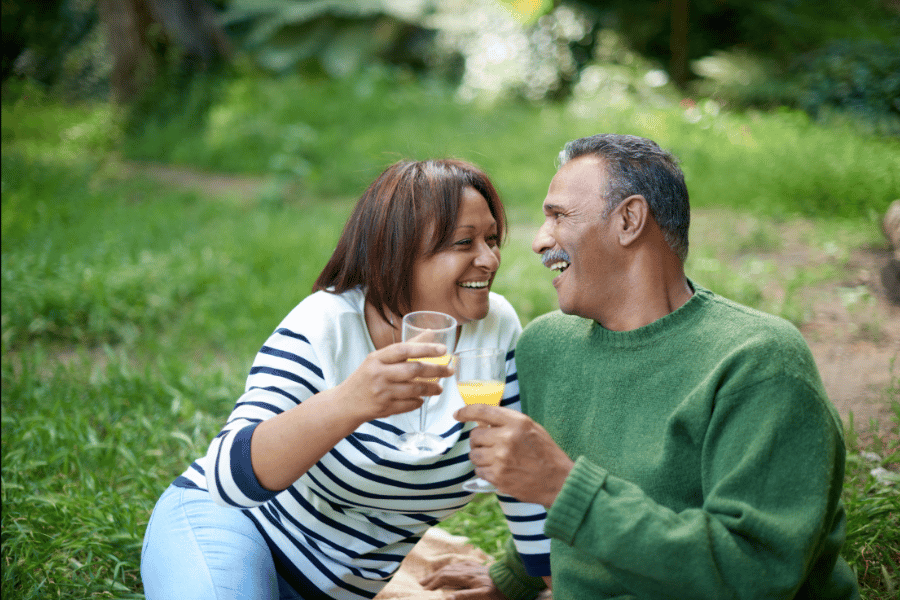
After all, your relationship should not simply survive. It should thrive. It should empower both of you to become your most authentic selves.
It should be a relationship that allows you to truly Live a Life Worth Celebrating.
Todd Malloy, MA, LMFT, CST, CSE is a psychotherapist, Certified Sex Therapist, and founder of Inner Peace Counseling Center in Huntersville, NC. Through his Toddism philosophy, he helps individuals and couples cultivate intentional lives and relationships rooted in authenticity, awareness, and emotional well-being.
Ready to design a relationship that fits the two of you? Visit www.innerpeacecounselingcenter.com, email info@innerpeacecounselingcenter.com, or call (704) 937-2286 to schedule an in-person or telehealth appointment.